Shurgard adds solar and batteries at 15 Belgian sites

FlexHub
In Belgium, the company has taken its first major step toward its 2030 decarbonisation goals by investing in local renewable generation and energy storage. The primary objective of the project is to reduce emissions while building flexibility into Shurgard’s operational energy use.
Project scope
What is the scope of your flexibility project in terms of assets or processes?
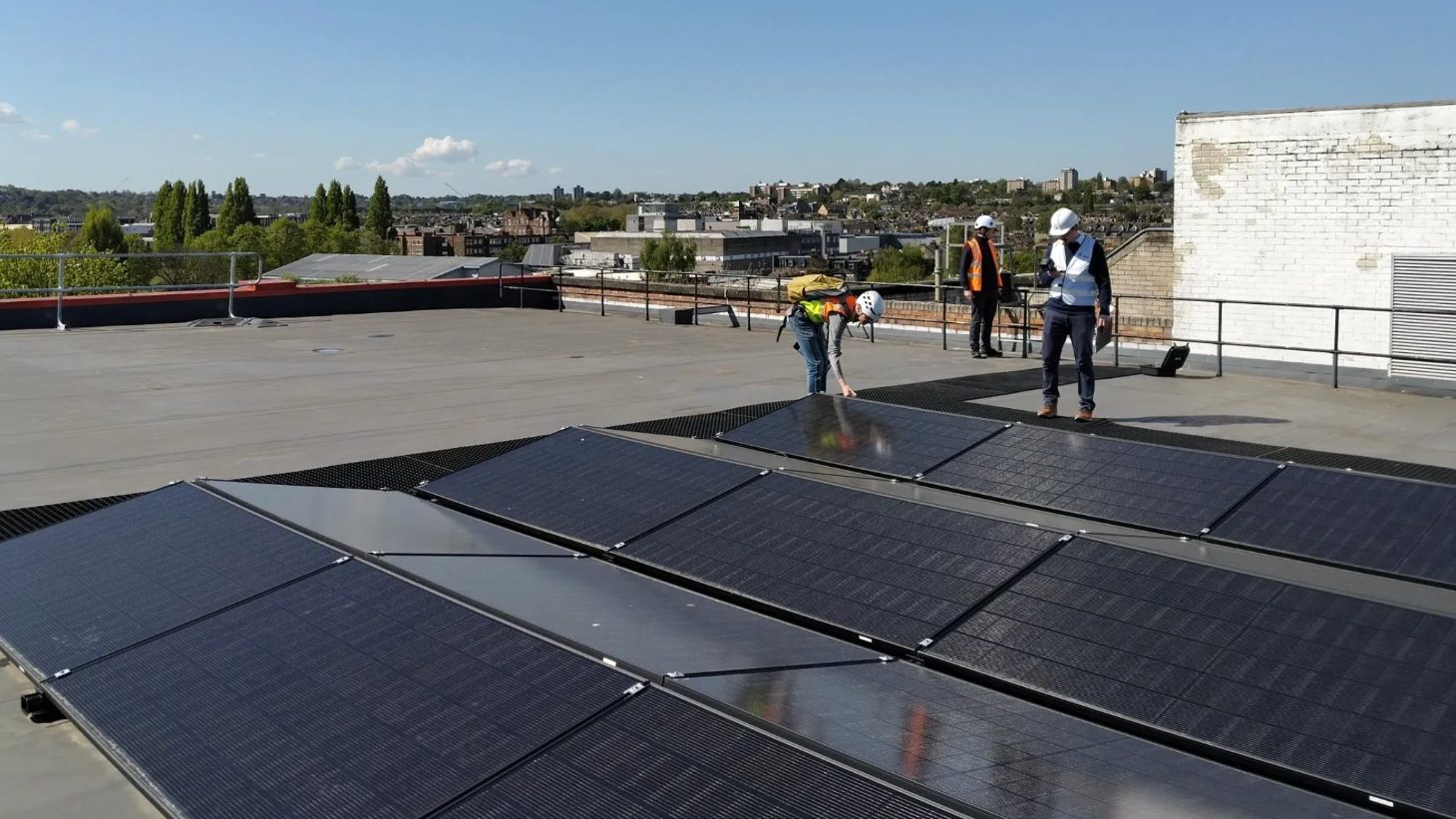
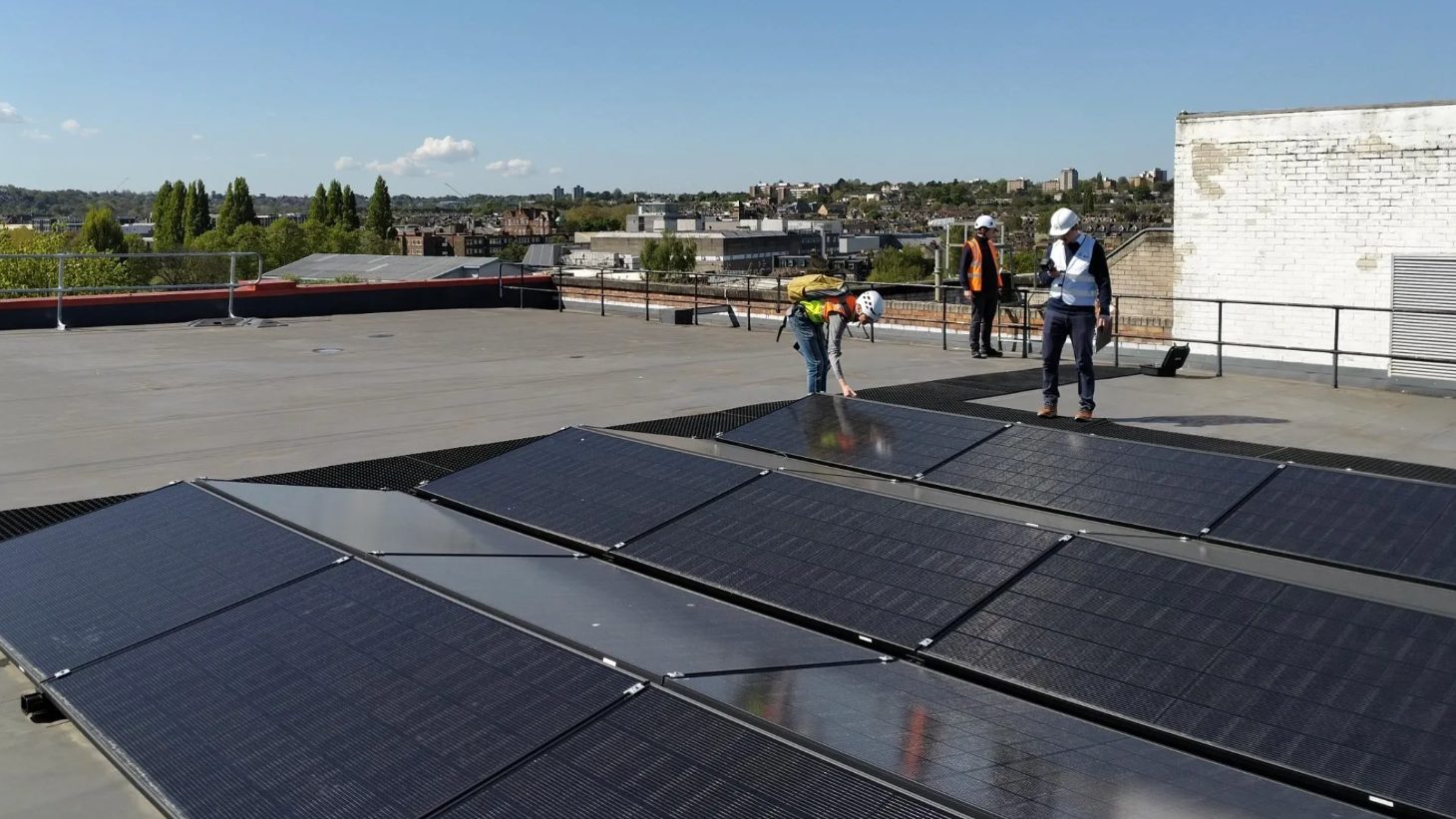
In Belgium, the project includes the installation of rooftop PV systems and on-site battery energy storage systems (BESS) at 15 self-storage facilities. The total installed capacity is 1.2 MWp of solar and 1 MW / 2 MWh of batteries. These assets were chosen to reduce grid dependence, lower emissions, and actively participate in energy markets.
Solar energy
Battery
How did you go about implementing the project and delivering the expected flexibility?
The project started with a detailed financial and technical business case. After confirming feasibility, Shurgard worked with AYA to support execution from end to end. This includes procurement, installation, operations and maintenance, system steering, and final site reception.
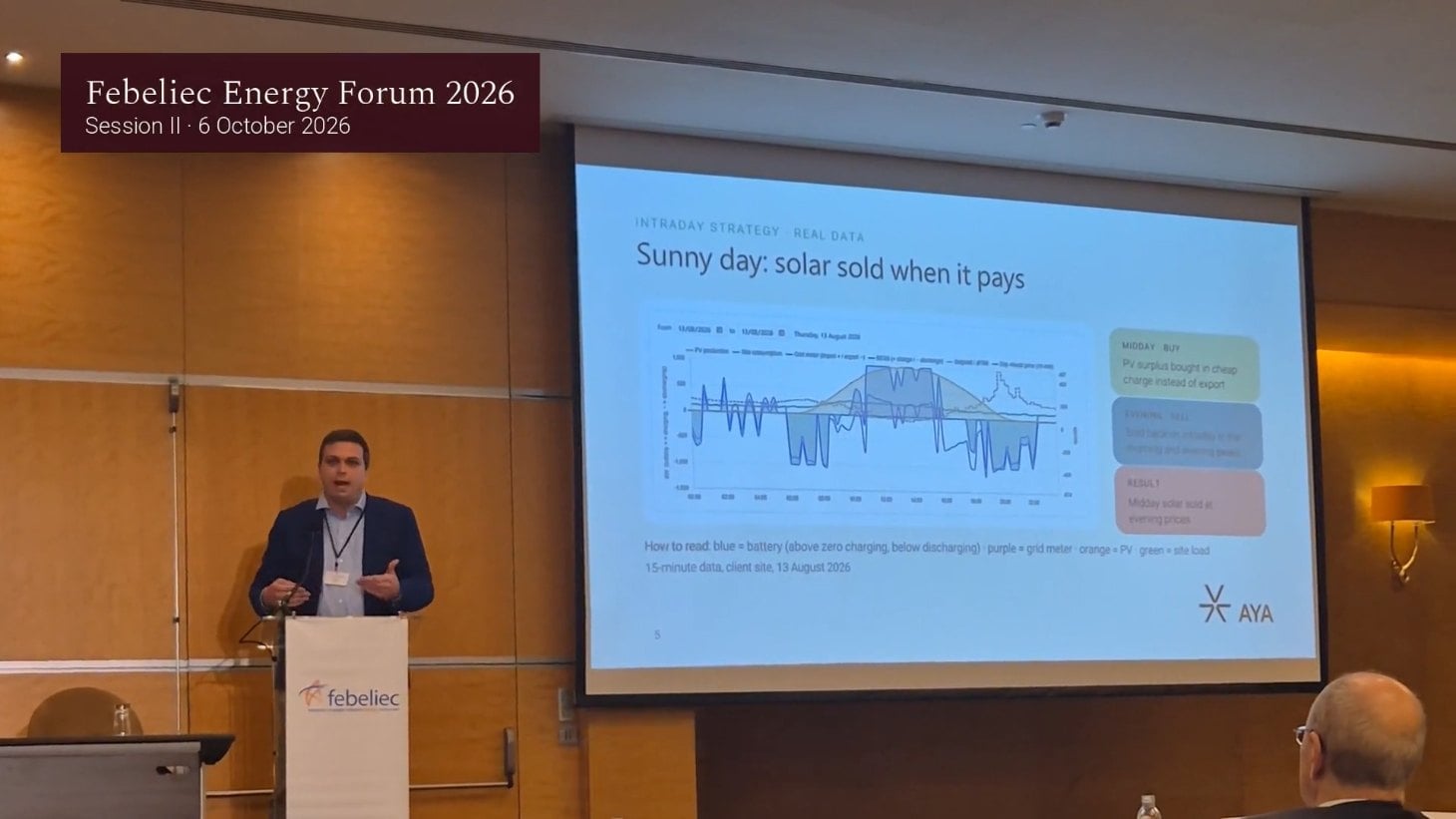
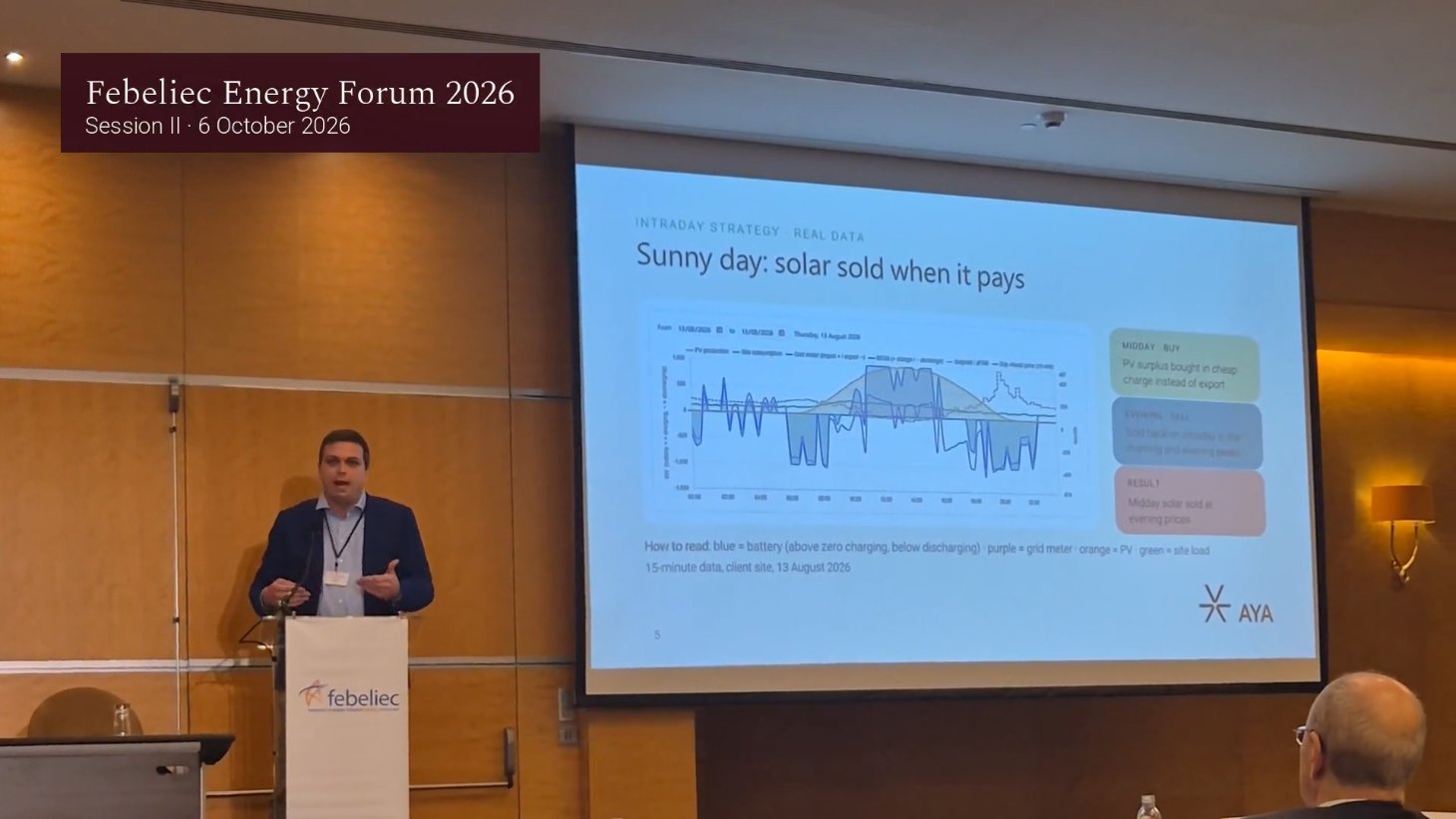
Installation was completed by the end of 2025. The battery systems are now steered via the FlexHub platform to deliver flexibility in multiple markets: Frequency Containment Reserve (FCR), automatic Frequency Restoration Reserve (aFRR), imbalance mitigation, and Day-Ahead and Intraday price arbitrage.
Flexibility potential was quantified during design, and implementation focused on ensuring the assets perform under commercial and operational constraints. The system is configured to support both market-based flexibility and on-site optimisation.
“Our goal was to reduce emissions, but also to build something that makes sense financially and operationally. The batteries are now a key part of that strategy.”
Hans Van Lierde
Sustainability and Facility Director Europe
Looking back, how did the implementation go? Did you reach the expected results?
The project was delivered by the end of 2025. The overall investment amounts to €1.55 million for the combined PV and battery systems. The expected IRR is 13% for PV alone and 18% when including battery operations, with a projected payback period of seven years.
The key learning is that flexibility can be integrated even at relatively small-scale commercial sites, provided the business case is solid and implementation is carefully managed. The battery systems support both our sustainability goals and provide access to new value streams in the Belgian energy market.
1 MW / 2 MWh
of battery capacity
Installed across 15 Belgian sites, delivering multi-market flexibility since the end of 2025